How to print on bottle cap?

In the fast-paced beverage manufacturing industry, it’s imperative to have reliable and efficient printing solutions. That’s where Linx continuous inkjet printers and laser marking machines come in. With the ability to print on plastic and glass bottle caps, manufacturers opt for these printers gradually. Indeed, Linx printers offer an ideal solution for expiration dates and LOT codes. And with continuous printing capabilities from the top of the production line, there’s no need to slow down the process. So, whether you want to print expiry dates or etch intricate designs onto bottle caps, Linx has you covered.

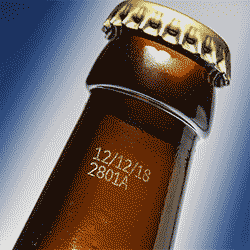
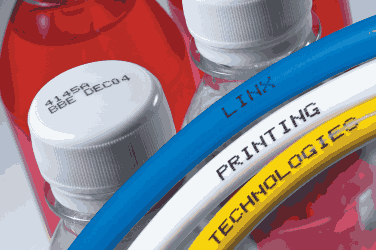
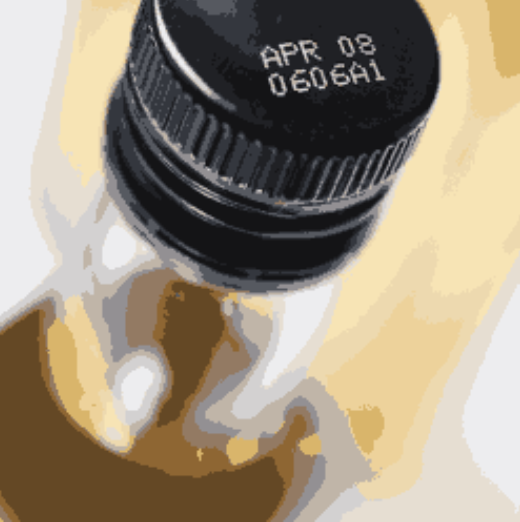
In various industries, date/time and batch or lot numbers needs printing onto bottle caps instead of bottles or labels. But, as bottle caps present a challenge of small circumference and hard-to-code materials, finding an efficient solution can be difficult. Thankfully, with the right bottle coders, printing onto metal or plastic caps is possible and a breeze. Our bottle printing technology enables small character printing that is legible and readable throughout the product’s shelf life.
Inkjet Coder to Print on Bottle Cap

Inkjet coding is an efficient and precise way of printing information onto bottle caps. Whether it be expiry date, batch number, or QR codes. With the ability to continuous printing on fast-moving production lines, inkjet coders became crucial. Opting for solvent- or water-based inks depends entirely on the material and the desired print quality. The use of inkjet coders guarantees reliable and high-speed printing, ensuring that the production process runs smoothly and efficiently. As such, inkjet coding has become essential in the packaging industry.

Laser Marking Machine for Etching

Laser etching on bottle caps plays a vital role in the world of product labeling. The application of this technology makes it possible to accurately print or engrave expiry dates or LOT codes right onto the bottle cap itself. Unlike traditional printing methods, the laser etching process is non-contact and does not involve any ink. Indeed, the caps can last well beyond the life of the product. Bottle cap printing or etching is a reliable and cost-effective solution, especially for industries requiring strict adherence to regulatory guidelines. It ensures the protection of consumers by allowing manufacturers to keep track of their products lifespans and avoid potential hazards. Laser etching on bottle caps is an innovative and practical way to keep products safe, and consumers informed.

If You Would Like to Know More About Printing on Bottle Caps – Contact Us
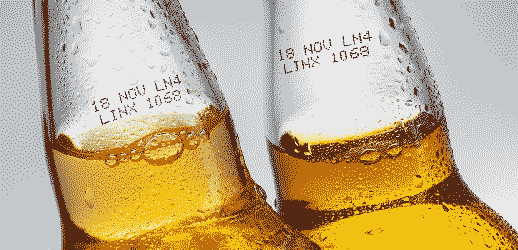
What is the best solution for Glass Bottle Coding?

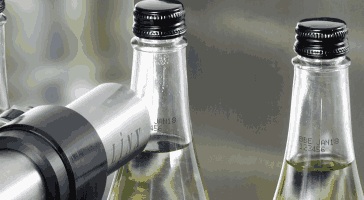
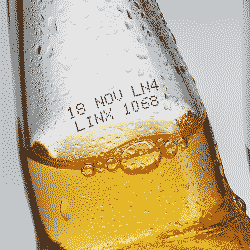
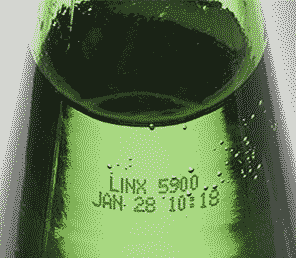
Efficiency is essential when it comes to bulk coding on glass bottles. This is where inkjet coding and laser marking come in. With the use of continuous inkjet technology, printing onto glass bottles can be done at lightning speed without sacrificing precision. On the other hand, inkless laser coding uses etching and engraving technology to create characters on the surface of the glass. Both methods are perfect for glass bottle coding. Moreover, it can print important information like expiry dates and batch codes, making it easy to keep up with production demands. When it comes to high-speed production lines, Linx printers are the perfect choice for accurate and efficient printing on glass bottles.

Continuous Inkjet (CIJ) Printers for Glass bottle coding

CIJ printers specialize in coding on glass bottles because they can print directly on moving products on a production line. They offer high-quality, durable prints and can handle the curved surfaces of glass bottles. Choose an ink specifically designed for glass surfaces to ensure proper adhesion and durability.

Thermal Inkjet (TIJ) Printers

TIJ coding printers use heat to eject ink droplets from nozzles onto the glass bottle surface. They produce high-resolution prints and are suitable for applications requiring fine details or smaller text. As with CIJ printers, select an ink that is compatible with glass surfaces for optimal results.

Laser Marking Machines

Laser marking is a non-contact method that uses a focused laser beam for coding on the surface of glass bottles. This method provides high precision and durability, making it ideal for marking expiration dates. CO2 or UV lasers specialize in marking on glass bottle surfaces. Indeed, they offer excellent contrast and minimal damage to the substrate. Linx fiber laser can quickly provide etching and engraving of character on glass bottles. Moreover, these printers specialize in coding at high-speed production lines.

Explore your options with our glass bottle coding experts.

Which is the best printer for plastic bottle coding?

Linx-pigmented inks offer a durable option for coding on plastic bottle. Moreover, these printers can print batch numbers and expiry dates on various colored plastics. Indeed specializes in polyethylene (PE or PET), polypropylene (PP or OPP), PVC, and Nylon. These inks maintain clarity for years, even when exposed to daylight.

Continuous Inkjet (CIJ) Printers for Coding on Plastic Bottles

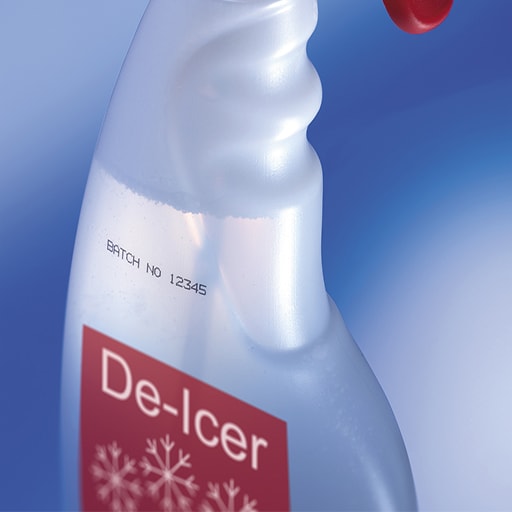
CIJ printers became popular for coding on plastic bottles because they can print directly on moving products on a production line. They offer high-quality, durable prints and can handle curved surfaces of various bottle materials, including glass, plastic, and metal. CIJ printers are suitable for high-speed production lines.

Thermal Inkjet (TIJ) Printers

TIJ coding printers use heat to eject ink droplets from nozzles onto the plastic bottle surface. They produce high-resolution prints and are suitable for applications requiring fine details or smaller text. TIJ bottle coding printers work well on various materials and can provide high-quality codes even at lower production speeds.

Laser Marking Machines

Laser marking is a non-contact method that uses a focused laser beam for coding on plastic bottle. This method offers high precision, durability, and flexibility, making it ideal for marking logos, barcodes, and other intricate designs. Laser marking machines work well on both glass and plastic bottles.

Explore our Plastic Bottle Coding Options

Linx Inkjet coding solutions allow manufacturers to print on plastic bottles easily. Moreover, Linx CIJ is capable of printing multiple line characters at a high-speed production line. Inkjet printers have more preference over laser marking machines in the plastic bottle industry. Considering the aspect of plastic getting damaged over high-intensity of heating through laser. Most of industries prefer black ink coding on bottles as the standard color. But at Linx, we have a variety of ink and fluids for catering to all the needs of the industrial market.

What is the best printer for coding and marking on bottles?

The best printer for coding and marking on bottles depends on various factors. Such as the bottle material, production speed, required print quality, and durability. Discover our available coding solutions – here

Bottle Coding | Plastic & Glass Bottle Printing

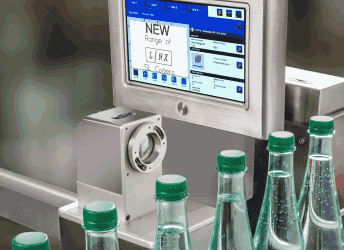
Linx provides reliable and consistent bottle coding and marking solutions to minimize rework. Our printers and coders can easily integrate into production line systems, accommodating various line speeds. Automated date, time, code, and number series functions reduce manual interventions and avoid line downtime. We offer specialized coding solutions, such as UV visible inks and permanent laser marking, suitable for both luxury brands and anti-counterfeit product identification.

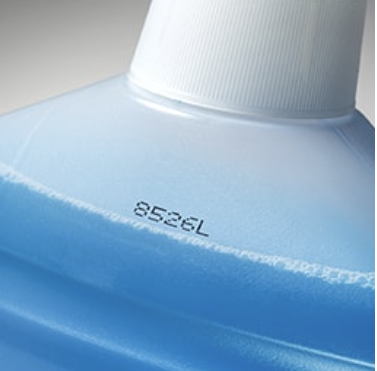
Our bottle coding printers are perfect for high volume expiration date coding or batch identification, as they can print directly onto plastic or glass bottles in almost any orientation and mark variable information, including barcodes and data matrix, and QR codes, and decrease waste and environmental impact. With profound experience in creating coding and marking equipment, we understand the unique challenges presented by printing on bottles, and our coding technologies have been specifically designed to meet them. Linx bottle coders are used across various industries, such as food, beverage, cosmetics, FMCG household products, pharmaceutical, and chemical bottling, and can help minimize production costs and improve rates.

Still unsure which coding method suits your needs? Talk to our experts

How to print the expiry date on bottle?

If you’re wondering how to print an expiry date on glass bottles, a few options are available. Date coding and batch coding on beverage glasses can be done easily done using two types of printing technologies: continuous inkjet printers and laser coders. Choosing the right product technology depends on factors such as the color of the substrate, production environment, and line speed. For example, if you need to print on clear glass bottles, laser coding may be a better option as it provides high-contrast printing that stands out. On the other hand, if your production speed is higher and you’re printing on darker glass bottles, continuous inkjet printers may be a better choice, as they can handle faster line speeds and provide legible codes. Ultimately, understanding your specific needs will help you make the right choice regarding bottle coding on glass.

When selecting a method for printing expiration dates on glass bottles, consider factors such as the production speed, required print quality and durability, and the complexity of the design. Print expiry date on glass bottles using various methods, each with its advantages and limitations. You can view all our coding solutions – Here

High-precision bottle expiry date printer

Get accurate and reliable glass bottle markings with our inkjet coding and laser marking printers.

Fast coding for bottling lines

Improve your beverage production with our high-speed inkjet and laser printers for expiry dates and batch codes.

Boost labeling efficiency

Maximize productivity with our cutting-edge inkjet coding and laser marking printers for glass bottle expiry date printing.

Know More About Our Bottle Coding Solutions

How to print and mark on extrusions?

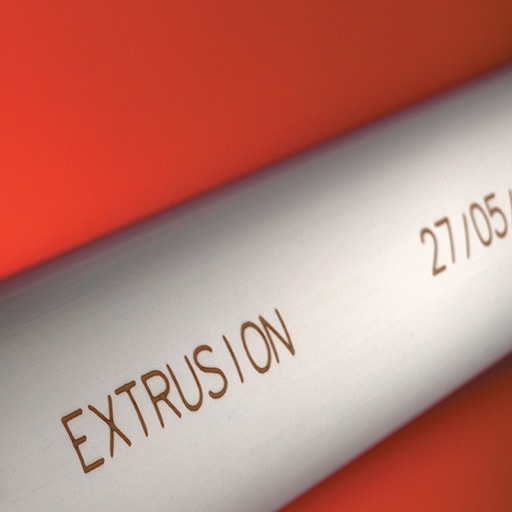
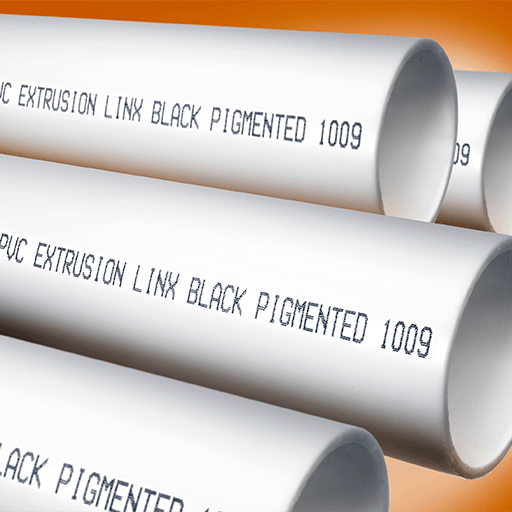
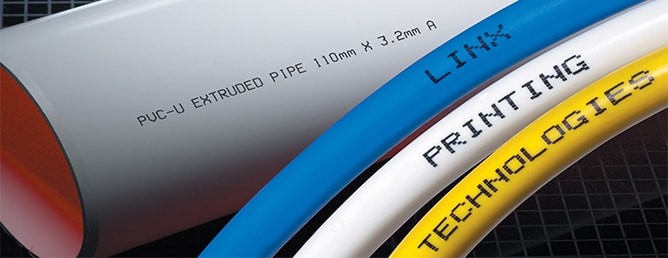
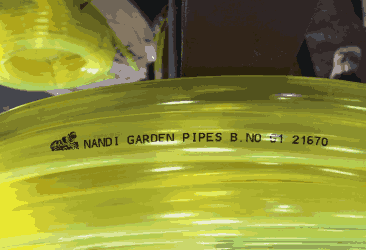
Linx inkjet coding and marking solutions explicitly cater to the extrusion industry for various applications. Moreover, these versatile printers allow easy mounting and mobility to accommodate different production line requirements. Indeed, making them ideal for marking a wide range of extruded products.

Standard extruded products that can benefit from inkjet coding and marking solutions include cable and wire, tubes, guttering, PVC pipes, panels, double-glazing window frames, molded parts, construction materials, industrial pipes and cables, connectors, aluminum profiles, metal elements, and rubber.

Importance of Coding and Marking Printers in the Extrusion Industry

Overall, Linx coders specialize in delivering high-quality prints at fast speeds, making them suitable for various coding requirements within the extrusion industry.

Coding and marking printers play a vital role in extruded materials’ identification, traceability, and compliance. Several types of printers are available for coding and marking extruded materials, each with unique advantages and limitations. When selecting a coding and marking printer for extruded materials, consider factors such as the type of material, production speed, required print quality and durability, and the complexity of the design. Each method has advantages and limitations, so choose the one that best fits your needs and requirements.

In addition to inkjet coding, laser coding options are also available, depending on the substrate material. Laser technology provides several benefits, including:

  • Code longevity: Laser-marked codes do not degrade over time or during storage, ensuring long-lasting legibility.
  • Variety of code sizes: Lasers can produce codes in various sizes to suit specific product and application requirements.
  • No drying time: Since no involvement of ink, there is no need to wait for codes to dry, eliminating the risk of smudging.

Laser coding can be an excellent alternative option to print on specific substrates within the extrusion industry. When selecting a coding solution, consider factors such as substrate material, production speed, required print quality and durability, and the complexity of the design. Each method has advantages and limitations, so choose the one that best fits your needs and requirements.

Need help choosing a printer for extrusion applications?

Get expert advice now

G

How to print and mark on the cable?

There are several methods for printing and marking on cables, each with its own advantages and limitations. You can view all our coding solutions – Here

High-Speed Cable Marking Solutions

For high-speed production environments, choose a marking system specifically designed for fast production lines. These printers should be able to keep up with the speed of the production line while maintaining accurate and legible prints. Look for features like automatic printhead cleaning, low ink level alerts, and user-friendly software to ensure consistent print quality and minimize downtime.
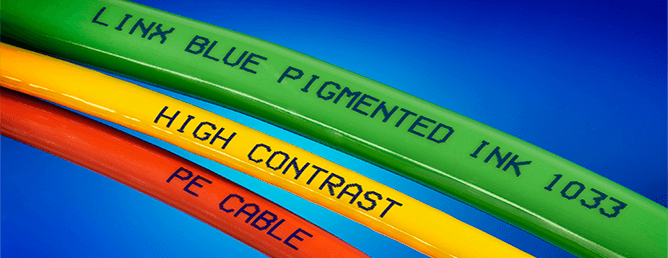
When selecting a cable marking method, consider factors such as the cable material, production speed, required print quality and durability, and the complexity of the design. Each method has advantages and limitations, so choose the one that best fits your needs and requirements. Wire manufacturers prefer these fast inkjet coding and marking printers for mass production.

Find the best printer for your cable production – get in touch with us now

What information is printed on the cable & wires?

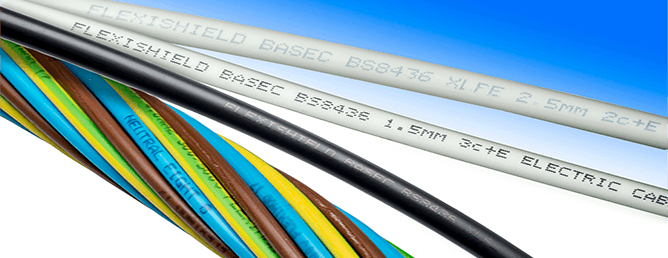
Inkjet coding printers are widely used for wire marking to print essential information directly onto products. The information published on cables and wires may include:

  1. Manufacturer’s name or logo:
    This helps identify the brand and enhances brand visibility.
  2. Product identification:
    Marking model numbers, part numbers, or product codes help customers and installers quickly identify the specific type of cable or wire.
  3. Technical specifications:
    Wire gauge, conductor count, insulation type, voltage rating, and temperature rating are often printed on cables and wires. Also, ensures proper usage and compliance with safety regulations.
  4. Industry standards and certifications:
    Printing relevant industry standards (e.g., UL, CE, RoHS) and certifications to make the cable meet specific quality.
  5. Sequential markings:
    Identically these wire marking printers can print in meters or feet. Which helps users accurately measure and cut cables and wires during installation.
  6. Batch or lot numbers:
    These numbers help manufacturers trace products back to their production batch. Furthermore, it allows for quality control and tracking purposes.
  7. Production date or expiry date:
    The production date indicates when the cable or wire was manufactured. This information helps ensure proper stock rotation and adherence to warranty terms. Hence wire marking printers play a vital role in the cable industry.
  8. Barcodes or QR codes:
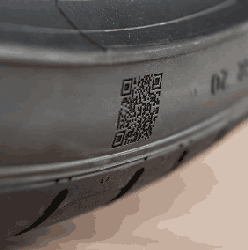
    These machine-readable codes can additional information about the cable or wire, such as its origin, production details, or technical specifications. Scanning the code can provide quick access to this information for inventory management, quality control, or installation purposes.

Inkjet Wire Marking Printers

Wire marking printers are an essential tool in the world of manufacturing and production. Inkjet Coders can easily do the marking on wire and cable for identification purposes. Whether you are working in the telecommunications industry or automotive industry, that requires precise labeling of lines. An inkjet wire marking printer can help streamline your operations and reduce errors. With the ability to print text, barcodes, and even logos, these printers suit your specific needs. So if you’re looking for a cost-effective and reliable way to improve your wire marking process. Contact us Today!

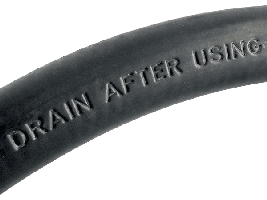
How to Print on Rubber Parts and Products?

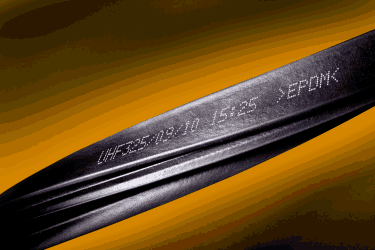
Continuous inkjet (CIJ) coding is a popular and effective method for printing on rubber items such as tubes, cables, gaskets, sleeves, and more. This non-contact printing method is suitable for high-speed production lines and can print directly on moving rubber products. Here are some critical considerations for CIJ coding and printing on rubber items:

Inkjet Coding on Rubber

  1. Choosing the correct ink:
    Selecting the appropriate ink for inkjet coding on the rubber is crucial for ensuring proper adhesion and durability.
    Some common types of inks used for printing on rubber include:

    Solvent-based inks: These inks provide excellent adhesion on rubber surfaces and dry quickly. They are resistant to abrasion, moisture, and chemicals.

    UV-curable inks: When exposed to UV light, these inks cure, forming a durable bond with the rubber surface. UV-curable inks are also resistant to environmental factors like moisture, heat, and abrasion.

    Specialty inks: Some manufacturers may require specific ink formulations designed for their unique rubber materials or applications.

Continuous Inkjet Printing Solutions

  1. CIJ printer features:
    Look for inkjet coding printers for rubber with features such as automatic printhead cleaning, low ink-level alerts, and user-friendly software for designing and editing printed information. These features will help ensure consistent print quality and minimize downtime during production.
  2. Integration with production line:
    The CIJ coding system should integrate identically with the existing production line, allowing for easy setup, operation, and maintenance. Also, Ensure that the printer can keep up with the speed of the production line and accurately print on moving rubber items.
  3. Batch coding and branding:
    Inkjet coding printers can be used to print batch codes, logos, barcodes, and other information directly on rubber products. This helps manufacturers track and trace their products, comply with regulations, and enhance their brand visibility.
  4. Customization:
    Work with an inkjet coding printer supplier who can provide customized solutions tailored to your specific rubber items, production line requirements, and desired print quality.

In conclusion, continuous inkjet coding is suitable for printing on moving rubber items such as tubes, cables, gaskets, sleeves, and more. By selecting the correct ink, ensuring proper integration with the production line, and choosing a printer with the necessary features, manufacturers can achieve high-quality, durable prints for batch coding and branding purposes.

How to do laser marking on rubber?

Laser marking suits the rubber industry, allowing direct etching and engraving messages on the product. The laser utilizes a focused beam of light to create high-contrast, precise, on the rubber surface. This process works well with various types of rubber, including natural rubber, synthetic rubber, and silicone.

Laser marking offers several advantages:

  1. High precision:
    Fiber Laser provides highly detailed and accurate information, allowing for intricate designs, logos, barcodes, and text on rubber surfaces.
  2. No contact:
    Since laser marking results in a non-contact process, the rubber material has no physical wear. Also, it eliminates the need for consumables like ink and solvent.
  3. Durability:
    Laser marking rubber is resistant to abrasion, heat, chemicals, and UV exposure. Additionally, ensuring that the marks remain legible and intact throughout the product’s life.
  4. Flexibility:
    Fiber or CO2 Laser systems also have software programs to set different messages at variable speeds to print on rubber.
  5. Speed and efficiency:
    Laser rubber marking is fast, making it suitable for high-volume production environments.

Select the suitable laser type for laser marking on rubber, such as a CO2 or fiber laser. And adjust the parameters like power, speed, and frequency to achieve the desired result without damaging the printable material.

In conclusion, the laser is an effective and versatile method for the rubber industry. Manufacturers can achieve high-quality, durable, and precise printing of rubber products by selecting the right equipment.