
Weighbridge Automation for Cement, Steel, Quarry and Recycling Industries
Introduction
Different industries use weighbridges for different purposes, but the goal is usually the same: accurate material movement records. Whether the site handles cement, steel, aggregate, scrap, waste, chemicals, or finished goods, every truck transaction matters.
Weighbridge automation helps industries capture accurate data, reduce delays, and improve control.
Cement Industry
Cement plants manage raw materials, clinker, cement bags, bulk tankers, and dispatch vehicles. Automated weighing helps control incoming and outgoing material, reduce truck waiting time, and maintain reliable dispatch records.
RFID and ANPR can identify trucks, while cameras and sensors help verify correct weighing.
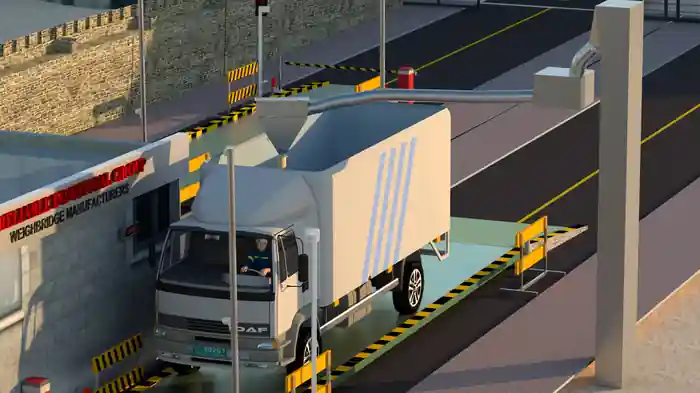
Steel Industry
Steel companies handle coils, billets, scrap, plates, pipes, and finished products. Accurate truck weighing is important for billing, inventory, and logistics.
Automation can help link vehicle weight with sales order, purchase order, material type, and customer details.
Quarry and Aggregate Industry
Quarries and aggregate suppliers usually manage high truck traffic and repetitive material dispatch. Automated weighbridge systems can reduce congestion, improve ticket accuracy, and provide better production reports.
Recycling and Waste Management
Recycling and waste management sites need reliable records for incoming and outgoing materials. Camera evidence, vehicle identification, and software reporting are useful for transparency and compliance.

Logistics and Warehousing
Logistics yards and warehouses can use weighbridge automation to control vehicle movement, loading, unloading, and dispatch records.
Conclusion
Weighbridge automation is not limited to one industry. Any business that depends on truck movement and material weight can benefit from a controlled, digital, and traceable weighing process.