
Anti-Fraud Weighbridge System: How to Stop Weight Manipulation and Manual Errors
Why Fraud Prevention Matters in Weighbridge Operations
Weighbridge transactions are directly connected to material quantity, billing, inventory, dispatch, and supplier or customer settlements. Even small errors can create major financial losses when repeated across many truck movements.
Fraud or manipulation can happen intentionally or unintentionally. A secure weighbridge system helps reduce both.
Common Weighbridge Risks
Common issues include:
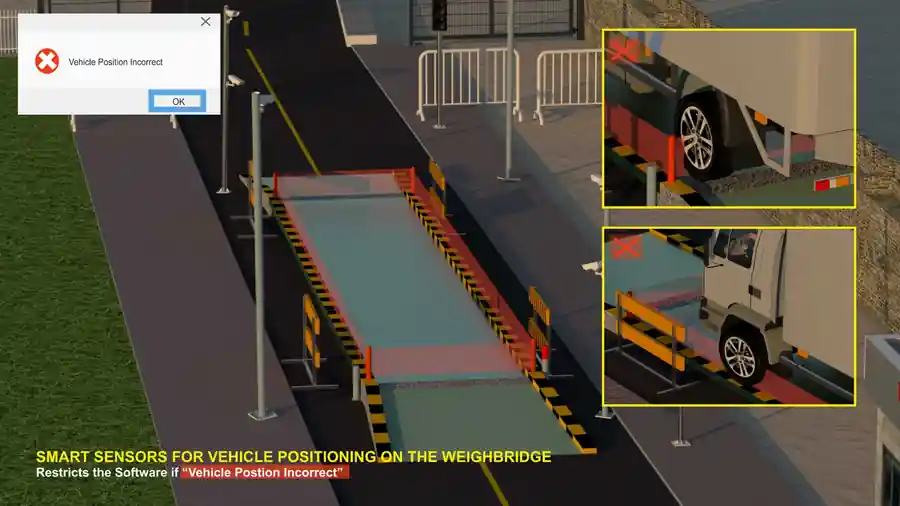
- Vehicle not fully positioned on the platform
- Driver or person standing on the weighbridge during weighing
- Duplicate or incorrect vehicle number entry
- RFID tag misuse
- Wrong first and second weighing match
- Manual ticket manipulation
- Missing camera evidence
- Unauthorized vehicle movement
- Material mismatch
How an Anti-Fraud Weighbridge System Works
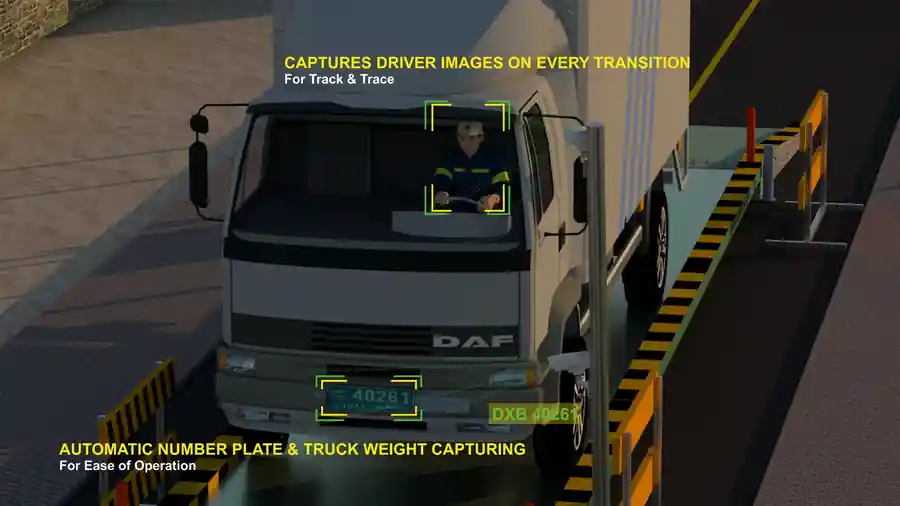
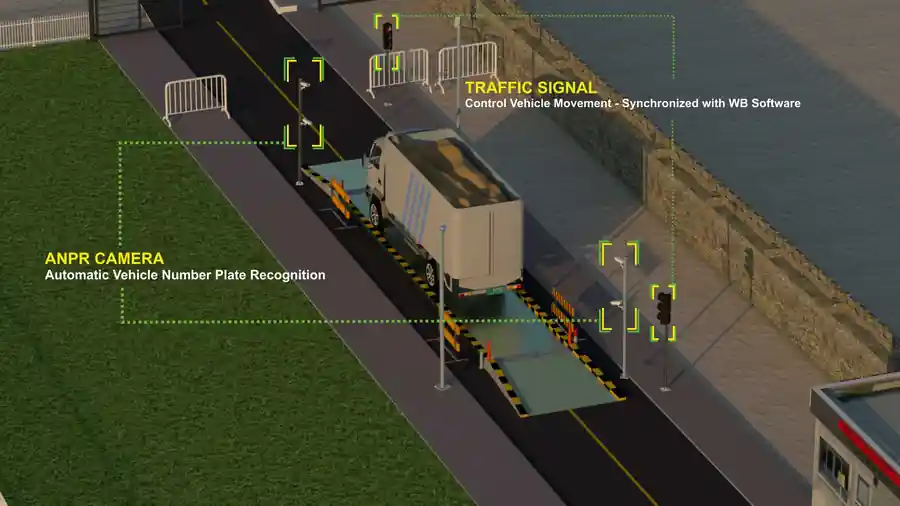
An anti-fraud weighbridge system combines software rules with hardware controls. RFID or ANPR verifies the vehicle identity. Position sensors check whether the vehicle is correctly placed. Cameras capture evidence. Traffic lights and barriers control movement. The software validates each step before allowing the weight to be recorded.
If any condition is not satisfied, the system can block the transaction or alert the operator.
Role of Position Sensors
Position sensors confirm that the truck tires are within the correct weighing area. This helps prevent partial weighing, overhang, or incorrect placement. The system can guide the driver until the vehicle is positioned correctly.
Role of Cameras
Surveillance cameras provide visual proof. They can capture the vehicle, material, number plate, driver cabin, and platform area. This makes it easier to verify transactions later.
Role of Software Controls
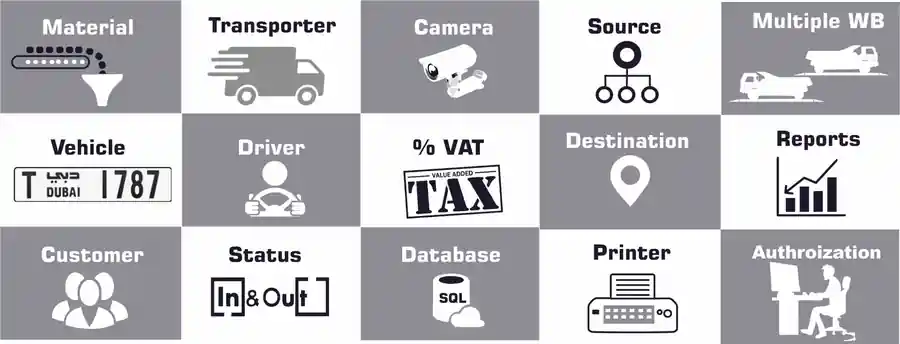
Software controls ensure that transactions follow the correct workflow. For example, the system can prevent second weighing without a valid first weighing, block duplicate tickets, validate order details, and record all changes in an audit trail.
Conclusion
An anti-fraud weighbridge system protects the business from manual errors, disputes, and intentional manipulation. It is especially important for high-volume material movement sites where every kilogram has financial value.
Cameras alone are not enough, but cameras combined with sensors, RFID, ANPR, and software rules create stronger protection.
Yes, the software can be configured to block transactions if validation conditions fail.